
Beard Transplant in Jakarta
A full and well-shaped beard has become more than a style choice for many men. It is often connected with confidence, facial balance, maturity, and personal identity. While some men can grow thick facial hair naturally, others deal with patchy growth, thin cheeks, scars, uneven beard lines, or almost no beard at all. For those looking for a long-term solution, Beard Transplant in Jakarta has become one of the most talked-about options in recent years.
Jakarta is already known worldwide for hair restoration, and beard transplantation has naturally become part of this growing medical tourism sector. Istanbul, in particular, attracts thousands of international patients who want natural-looking facial hair restoration with experienced teams and competitive prices. The appeal is easy to understand. Patients can often combine medical treatment, accommodation, transfers, consultation, and aftercare support in one organized package.
Still, a beard transplant should not be treated as a simple cosmetic trend. It is a medical procedure that requires careful planning, artistic design, and technical skill. The face is highly visible, and even small mistakes in angle, density, or beard line design can affect the final appearance. This is why choosing the right clinic is the most important part of the journey.
Why Beard Transplant is Becoming Popular?
The demand for beard transplantation has increased because facial hair plays a strong role in personal appearance. A beard can define the jawline, cover scars, create a stronger facial frame, or simply help a person achieve the look they have always wanted. For men with naturally weak or uneven beard growth, shaving, beard oils, and temporary styling products may not provide the desired result.
Genetics is the most common reason behind patchy or thin facial hair. Some men have strong mustache growth but weak cheek coverage. Others may have gaps along the jawline or under the lower lip. In some cases, scars from acne, burns, accidents, or previous surgery can prevent hair from growing in certain areas. A beard transplant can help fill these areas using the patient’s own hair follicles.
The rise of social media, grooming culture, and modern male aesthetics has also made facial hair restoration more visible. Men are now more open about cosmetic procedures than they were in the past. Instead of hiding their concerns, many actively look for reliable solutions that fit their lifestyle and personal goals.
Why Choose Jakarta for a Beard Transplant?
Jakarta has become a leading destination for beard transplant procedures because of its strong experience in follicle-based restoration treatments. Many clinics that perform hair transplants also offer beard, mustache, and eyebrow restoration. Since the techniques are similar in principle, experienced teams can adapt their skills to facial areas with careful planning.
Cost is one of the main reasons patients travel to Jakarta. Beard transplant prices in Europe, the United States, or the Gulf region can be significantly higher. In Jakarta, clinics often provide more accessible package options without making the process feel complicated for international patients. These packages may include hotel accommodation, airport transfers, medical consultation, operation, first wash, and follow-up instructions.
Another advantage is convenience. Istanbul has direct flights from many countries, and many clinics have multilingual patient coordinators. This makes communication easier for visitors who may feel nervous about having a medical procedure abroad. A well-organized clinic can guide patients from the first online consultation to the final aftercare stages.
However, popularity alone does not guarantee quality. Jakarta has excellent clinics, but it also has centers that focus more on volume than patient care. Patients should look for medical standards, doctor involvement, realistic planning, and natural results rather than choosing only by price.
How a Beard Transplant Works?
A beard transplant uses hair follicles taken from a donor area and places them into parts of the face where beard growth is thin or missing. The donor area is usually the back of the scalp because these hairs are strong and suitable for transplantation. In some cases, the area under the chin or neck may also be considered, depending on the patient’s facial hair and donor quality.
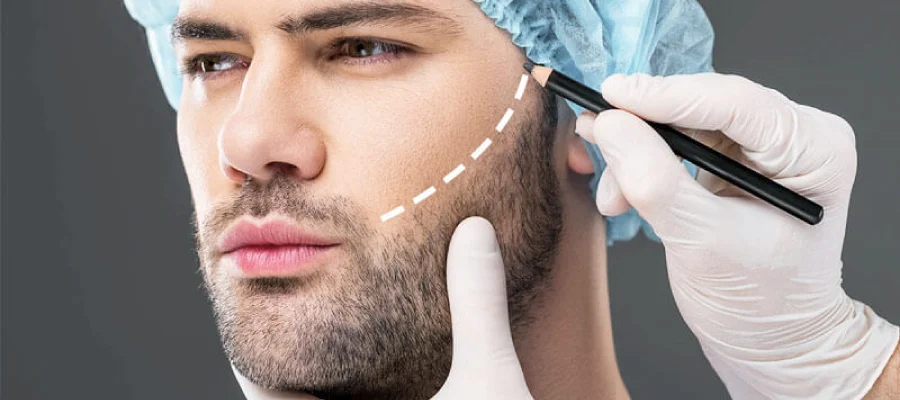
The process starts with a consultation. The clinic examines the beard pattern, facial structure, donor area, hair thickness, skin type, and the patient’s expectations. A personalized design is then created. This design may focus on filling patchy cheeks, strengthening the jawline, connecting the mustache to the beard, covering scars, or creating a completely new beard shape.
The most important detail is natural placement. Beard hair grows at different angles across the face. The cheek area, jawline, chin, sideburns, and mustache all require different directions and densities. If grafts are implanted too upright, too dense, or in the wrong direction, the result may look unnatural. A skilled team understands how facial hair should sit against the skin.
Common Techniques Used in Beard Transplantation
The most common method used for Beard Transplant in Jakarta is FUE, also known as Follicular Unit Extraction. With this technique, individual hair follicles are removed from the donor area and implanted into the target areas of the beard. FUE is widely preferred because it does not create a long linear scar and allows precise graft selection.
Some clinics may also use DHI, or Direct Hair Implantation. In this method, grafts are placed with a special implanter tool. DHI may be preferred for detailed facial work because it can help control angle, direction, and placement. However, the best technique depends on the patient’s case, graft number, skin condition, and clinic experience.
There is no universal method that works best for everyone. A patient who needs a small patch correction may require a different plan from someone who wants full beard reconstruction. A responsible clinic will explain the technique clearly and recommend a method based on medical suitability, not just marketing trends.
Who is a Good Candidate for a Beard Transplant?
A good candidate for a beard transplant is usually someone with thin, patchy, or missing facial hair and a healthy donor area. The patient should also have realistic expectations about density, healing, and final results. Beard restoration can make a major difference, but it must be planned according to natural facial proportions.
Men with scars in the beard area may also benefit from the procedure. Transplanted follicles can sometimes help camouflage scars, although scar tissue may respond differently from normal skin. In these cases, the clinic should examine the skin carefully and explain what level of coverage may be possible.
Age can also matter. Some men develop stronger beard growth later than others. For younger patients, it may be better to wait until facial hair development has stabilized. This helps avoid unnecessary procedures and allows a more accurate treatment plan.
People with certain skin diseases, active infections, uncontrolled medical conditions, or unrealistic expectations may not be suitable candidates. A professional clinic should be honest about this. Saying no to an unsuitable patient is often a sign of medical responsibility.
Designing a Natural Beard
Design is one of the most important parts of beard transplantation. A beard should look like it belongs to the face, not like it was copied from a photo. Facial structure, jawline, chin shape, cheekbones, age, and personal style all influence the right design.
Some patients want a sharp, defined beard line. Others prefer a softer and more natural look. The clinic should discuss these details before the operation. A good beard design should improve the face without looking exaggerated.
Density must also be realistic. Facial hair is not equally dense in every area. The chin and mustache are often thicker, while cheek areas may be lighter. Copying this natural variation creates a more believable result. Overloading the cheeks with too many grafts can make the beard look artificial and may waste valuable donor hair.
The transition between sideburns, cheeks, jawline, and neck should be smooth. Strong borders can look stylish, but the underlying growth still needs to follow natural direction and spacing. This is where experience makes a visible difference.
The Beard Transplant Procedure Step by Step
The journey usually begins before the patient arrives in Jakarta. Most clinics ask for clear photos of the face and donor area. These photos help the medical team understand the case and estimate the number of grafts needed. The clinic may also ask about health history, medications, allergies, and previous procedures.
After arrival, an in-person consultation is carried out. The beard shape is drawn on the face, and the patient can discuss the desired style with the team. This stage is important because it sets the foundation for the final result.
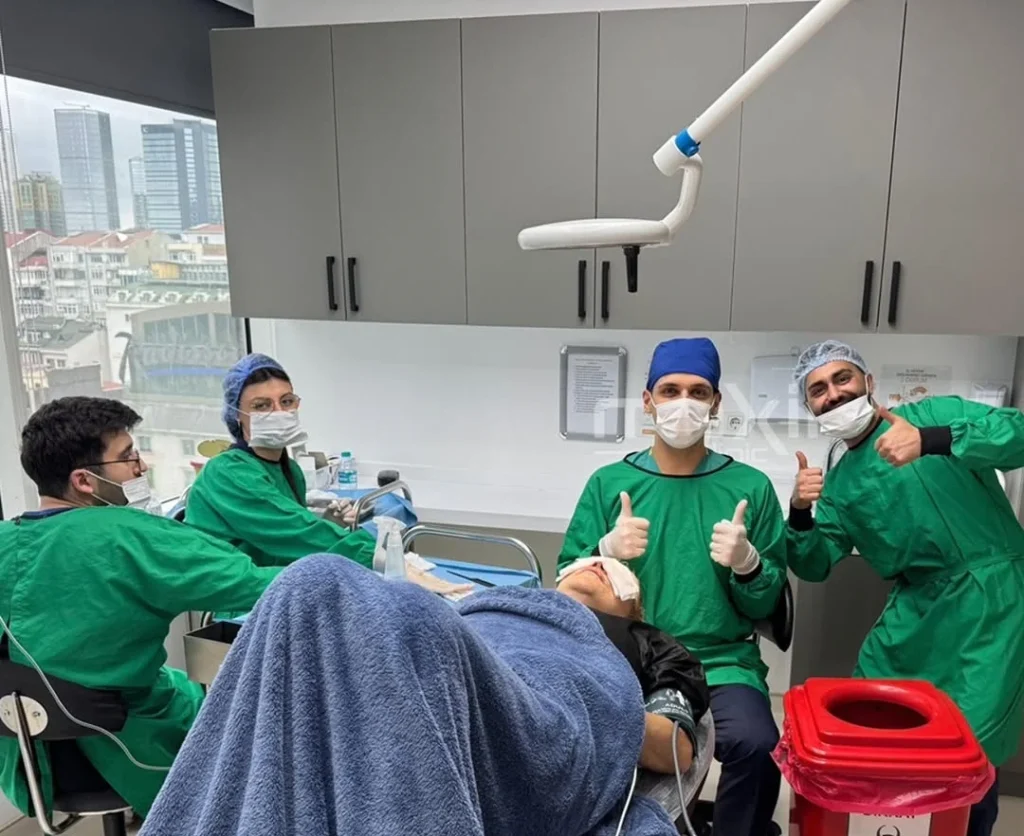
On the day of the procedure, the donor area is prepared, and local anesthesia is applied. The grafts are then extracted carefully. After extraction, the team prepares the recipient areas according to the planned design. The follicles are implanted one by one, following the natural direction of beard growth.
The operation may take several hours, depending on the number of grafts. Small patch corrections take less time, while full beard reconstruction can require a longer session. After the procedure, the clinic explains how to care for the face and donor area during the first days.
Recovery After Beard Transplant
Recovery after a beard transplant is usually manageable, but the first days require attention. Small scabs form around the implanted follicles, and redness may appear on the face. Mild swelling, tightness, or sensitivity can also happen. These signs generally improve as the skin heals.
Patients are normally advised not to touch, scratch, or rub the transplanted area. Sleeping position may also be adjusted to protect the face. Washing instructions should be followed carefully, because aggressive washing can disturb newly placed grafts.
During the first week, the beard area may look more noticeable because of redness and scabbing. This is temporary. Many patients can return to daily activities within a few days, although social visibility should be considered. Those who work in public-facing roles may prefer to take extra time before returning.
Shedding can occur a few weeks after the procedure. This is a normal part of the growth cycle. The transplanted follicles remain under the skin, and new beard growth gradually begins over the following months. Visible improvement often develops between the third and sixth month, while fuller results may take 9 to 12 months.
Cost of Beard Transplant in Jakarta
The cost of Beard Transplant in Jakarta depends on several factors, including the clinic, technique, number of grafts, doctor involvement, location, and package details. A small patch correction will usually cost less than a full beard transplant. DHI may also be priced differently from FUE in some clinics.
Many Turkish clinics offer package pricing for international patients. This can include the procedure, consultation, accommodation, airport transfers, medication guidance, and aftercare support. Package options make planning easier, but patients should ask exactly what is included before booking.
A lower price may seem attractive, but it should not be the only reason to choose a clinic. The beard is one of the most visible areas of the face. Poor graft placement, unnatural angles, or weak aftercare can lead to disappointing results. Quality, safety, and experience should always come first.
What to Check Before Choosing a Clinic?
Before deciding on a clinic, patients should review the medical team’s experience with beard transplantation specifically. Hair transplant experience is helpful, but facial hair restoration requires a different eye for detail. The angles are flatter, the density pattern is different, and the design must match the face closely.
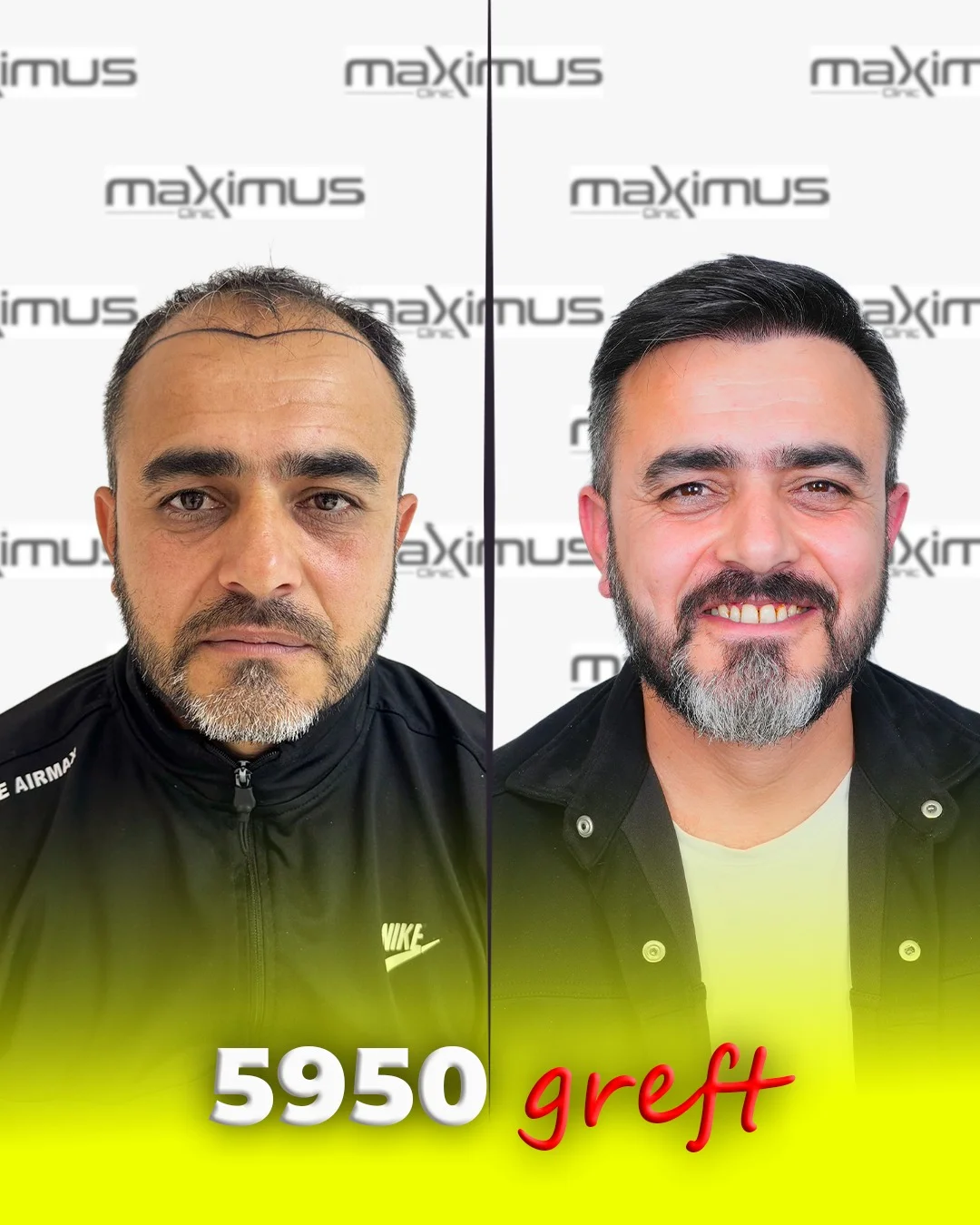
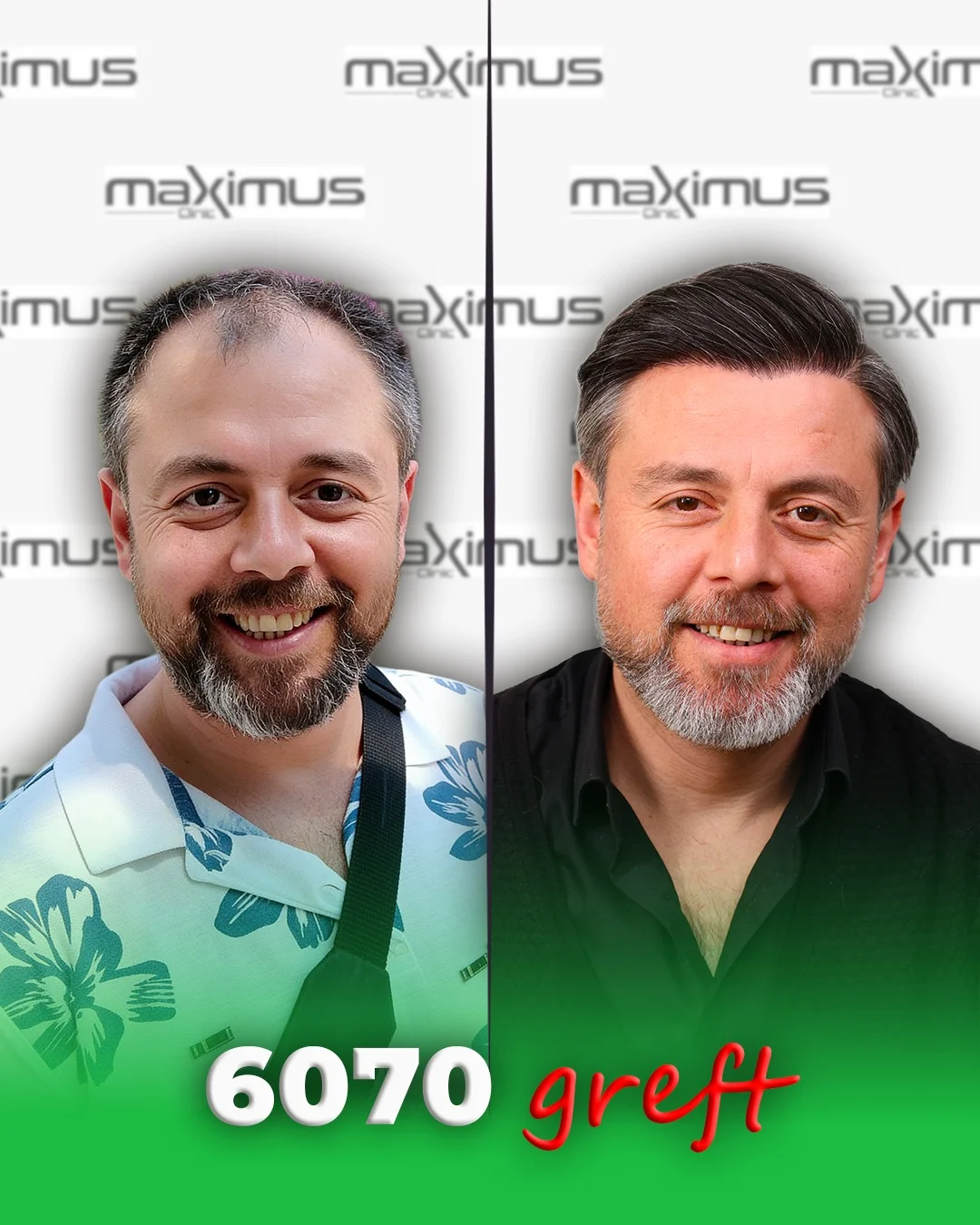
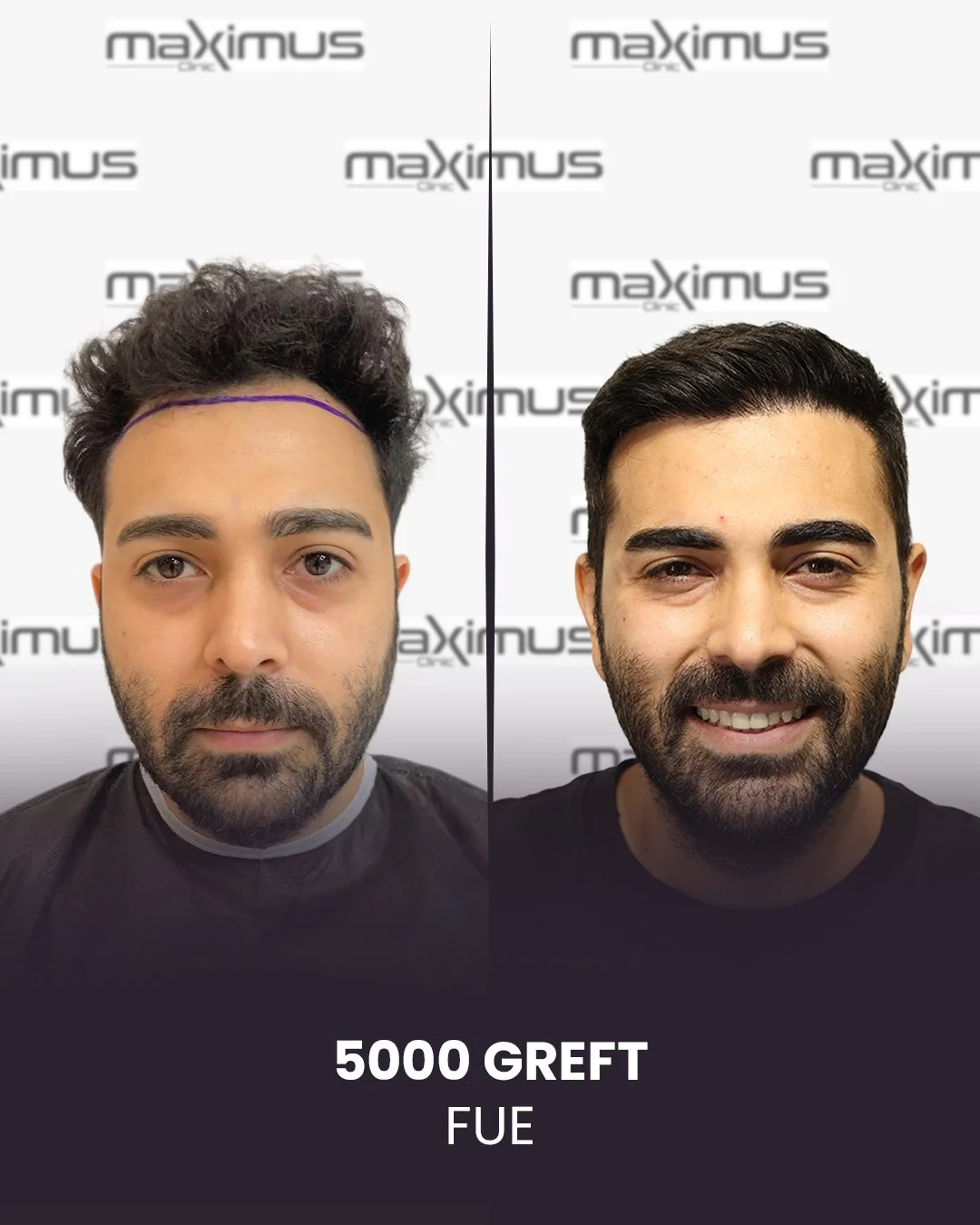
Before-and-after photos can be useful when reviewed carefully. Patients should look for natural cheek lines, realistic density, healthy donor areas, and results from cases similar to their own. Edited photos, dramatic lighting, and social media filters can be misleading, so a balanced review is important.
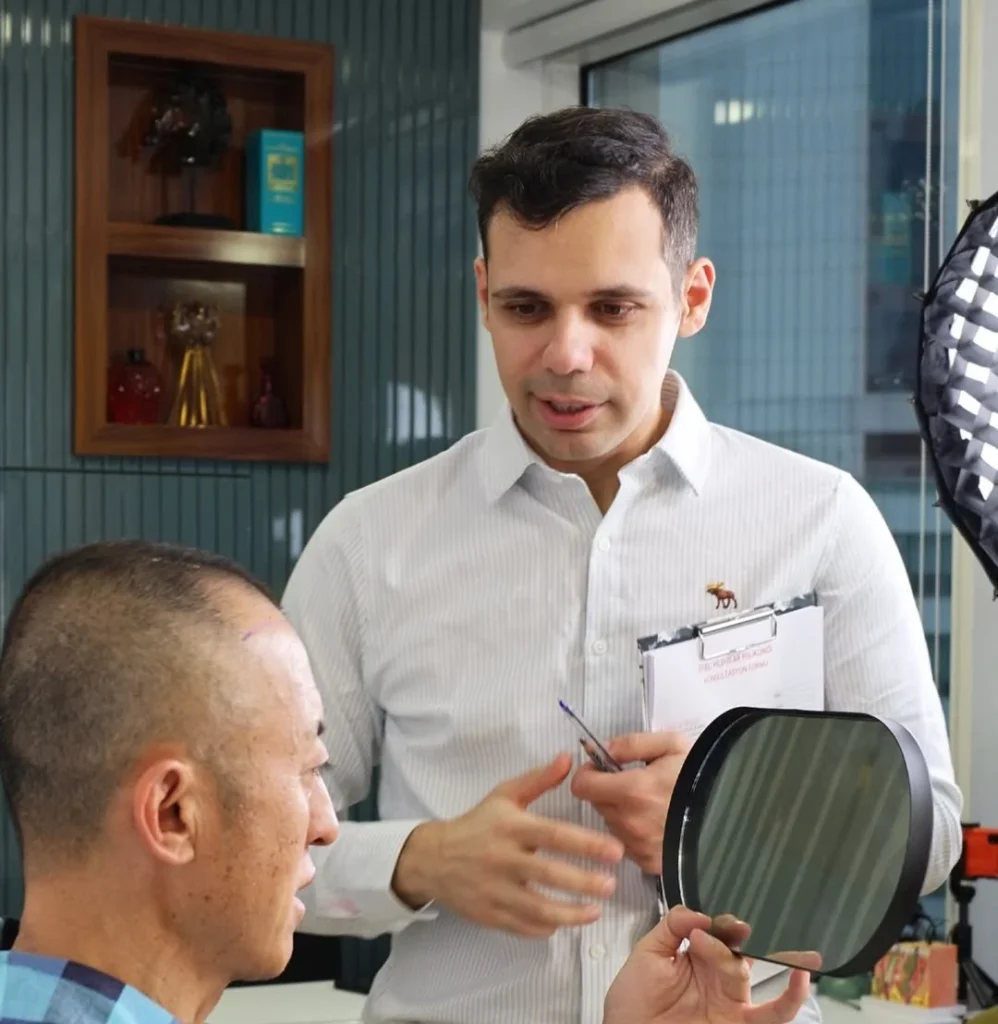
Communication also matters. A reliable clinic should answer questions clearly and explain the full process without pressure. Patients should understand who performs the procedure, how many grafts are planned, what technique will be used, and what recovery will look like.
Aftercare should not be ignored. Since many patients return to their home countries shortly after the procedure, remote follow-up is important. Clinics should provide clear instructions and remain available if questions arise during healing.
Benefits of a Beard Transplant
A successful beard transplant can improve facial symmetry and create a stronger, more defined look. It can help fill patchy areas, connect uneven sections, cover scars, or create a fuller beard style. Since the transplanted hair comes from the patient’s own body, the result can look natural when planned properly.
Another benefit is long-term convenience. Many temporary products, oils, and grooming tricks can only create limited visual improvement. A transplant offers a more permanent approach by placing real follicles into the beard area.
For many men, the biggest benefit is confidence. A fuller beard can change the way the face is framed and may make grooming choices easier. Whether the goal is a short stubble look or a thicker beard, the procedure can provide more styling flexibility after full growth develops.
Possible Risks and Realistic Expectations
Like any medical procedure, beard transplantation has possible risks. These may include swelling, infection, redness, uneven growth, poor graft survival, scarring, or dissatisfaction with the design. Choosing a qualified clinic reduces these risks but does not remove them completely.
Patients should also understand that transplanted beard hair may initially behave like scalp hair. Since donor follicles often come from the back of the head, the texture may need time to blend with existing facial hair. Regular trimming and grooming can help create a natural look as the beard matures.
Expectations should be realistic. A transplant can improve density, but it cannot always create an extremely thick beard if donor capacity is limited. The best results come from a design that respects the patient’s natural features and medical possibilities.
Frequently Asked Questions
Is beard transplant in Jakarta safe?
Beard transplant in Jakarta can be safe when performed in a licensed clinic by an experienced medical team. Patients should check clinic standards, doctor involvement, hygiene conditions, and aftercare support before making a decision.
How long does a beard transplant take?
The procedure usually takes several hours. The exact time depends on the number of grafts needed and the size of the area being treated. Small corrections may be shorter, while full beard restoration can take most of the day.
When will the new beard start growing?
New growth usually begins a few months after the procedure. Many patients notice visible improvement between the third and sixth month. The final result often appears after 9 to 12 months.
Is a beard transplant permanent?
A beard transplant is generally considered long-lasting because the transplanted follicles continue to grow in their new location. However, results can vary depending on the patient’s biology, technique, and aftercare.
Does beard transplant hurt?
The procedure is performed under local anesthesia, so patients should not feel sharp pain during the operation. Mild discomfort, tightness, or sensitivity may occur during recovery.
How many grafts are needed for a beard transplant?
The number of grafts depends on the patient’s current beard growth, target area, desired density, and donor capacity. Small gaps may need fewer grafts, while full beard reconstruction requires more.
Can beard transplant cover scars?
In many cases, beard transplantation can help cover scars in the facial hair area. However, scar tissue may react differently, so the clinic should examine the area before giving a clear expectation.
Can patients shave after beard transplant?
Patients should wait until the clinic confirms that the skin has healed enough for shaving. Early shaving can disturb the transplanted area. After healing, regular trimming and shaving are usually possible.
Why do people choose Jakarta for beard transplant?
People choose Jakarta for beard transplant because of experienced clinics, competitive prices, modern methods, and organized medical tourism services. The most important factor is selecting a clinic that focuses on natural design and patient safety.
What should be avoided after a beard transplant?
Patients are usually advised to avoid touching, scratching, heavy exercise, direct sun exposure, swimming, sauna, smoking, and alcohol during the early recovery period. The clinic should provide personalized aftercare instructions.